
Understanding Portugal's Economic Landscape
magivenike.org Lda provides comprehensive educational resources about macroeconomic trends, GDP growth patterns, employment dynamics, and the critical role of Banco de Portugal in maintaining economic stability across the European Union.

Our Mission
Making Economics Accessible
We're committed to breaking down complex macroeconomic concepts into understandable insights for students, professionals, and anyone curious about how Portugal's economy works.
magivenike.org Lda started with a simple observation: Portugal's economic story isn't being told clearly enough. GDP figures, employment rates, and monetary policy decisions affect real lives. Yet most resources make these topics feel distant and incomprehensible. We don't believe economics should be that way.
Since our launch, we've focused on one thing — delivering accurate, current information about macroeconomic trends in Portugal. We examine GDP growth patterns, analyze employment dynamics across sectors, explore Portugal's integration within the European Union framework, and explain how Banco de Portugal shapes monetary policy. Everything we create reflects weeks of research and careful verification.
What We Cover
Core Areas of Focus
Our educational content spans the major macroeconomic indicators and institutions that define Portugal's economic performance and stability.
GDP Growth Patterns
We analyze quarterly and annual GDP figures, sectoral contributions, per capita metrics, and growth forecasts. Understanding these patterns reveals economic momentum and structural shifts in Portugal's productive capacity.
Employment Dynamics
Labor market conditions shape household incomes and social stability. We track unemployment rates, sectoral employment shifts, skills development, wage trends, and how labor policies adapt to economic changes.
Banco de Portugal
As the country's central bank, Banco de Portugal maintains financial stability and executes monetary policy. We explain interest rate decisions, inflation management, banking regulation, and financial sector oversight.
EU Economic Cooperation
Portugal operates within European frameworks — from trade agreements to funding mechanisms. We explore how EU membership shapes fiscal policy, regulations, competitive positioning, and economic opportunities.
Fiscal & Monetary Policy
Government spending decisions and central bank actions directly influence economic outcomes. We analyze budget priorities, tax policies, inflation targets, and how policy coordination supports sustainable growth.
Sectoral Analysis
Different industries drive growth differently. We examine tourism, manufacturing, services, agriculture, technology sectors — how they perform, what challenges they face, and their role in the broader economy.
How We Work
Our Research & Content Approach
We don't create content carelessly. Every article, analysis, and resource undergoes rigorous research and verification to ensure accuracy and relevance.
Primary Source Research
We consult official statistics from Banco de Portugal, Instituto Nacional de Estatística (INE), Eurostat, and European Commission data. Real numbers matter. We don't guess or estimate — we work with verified figures and current economic indicators.
Expert Analysis
Raw data tells part of the story. Our team contextualizes numbers, identifies trends, explores underlying causes, and connects individual indicators to broader economic patterns. We explain the why, not just the what.
Clear Communication
Economics terminology can overwhelm. We translate complex concepts into clear language. Jargon gets explained. Concepts get illustrated. Whether you're a university student or professional, you'll understand what we're presenting.
Continuous Updates
Economic data changes constantly. We monitor official releases, update our analyses, and keep information current. Old information loses value quickly in economics — we ensure you're getting the latest insights.

Our Perspective
Portugal Within Europe's Economic Framework
We don't examine Portugal in isolation. The country's economy is deeply integrated into European structures, making EU context essential for understanding local economic dynamics.
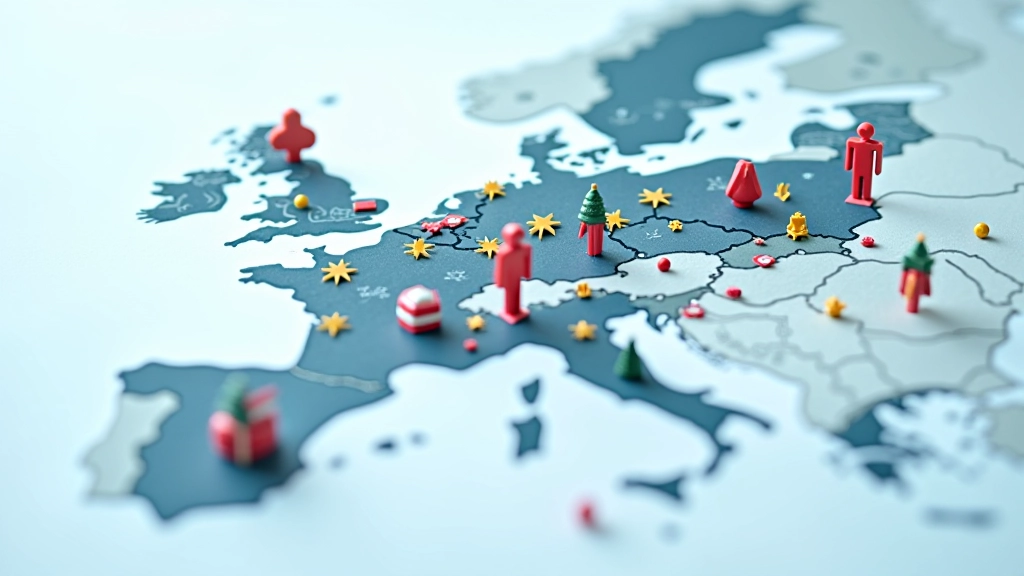
Portugal joined the European Union in 1986 and adopted the euro in 2002. These decisions fundamentally reshaped the economy. Trade patterns shifted. Capital flows changed. Monetary policy became shared with the European Central Bank. Understanding modern Portugal requires understanding these European connections.
magivenike.org Lda explores how EU membership influences Portugal's economic opportunities and constraints. We examine how eurozone participation shapes interest rates and inflation dynamics. We analyze trade relationships with European partners. We discuss funding mechanisms like structural funds and how they support development. We explain how European regulations affect Portuguese industries.
But we also acknowledge challenges. Economic integration brings benefits but also vulnerabilities. Banco de Portugal must balance Portuguese economic needs within eurozone constraints. Labor mobility increases competition but also opportunity. Financial markets become more complex and interconnected. Our content addresses these realities directly — not with political bias, but with economic clarity.
"Economics isn't abstract theory divorced from real life. It's about understanding how societies create value, distribute resources, and build prosperity. We're passionate about making that understanding accessible to everyone."
— magivenike.org Lda Team
Important Information
The information presented on this website is intended for educational and informational purposes only. It should not be construed as financial, investment, or economic policy advice. While we strive to provide accurate, current information based on official sources, economic data is subject to revision and interpretation. Individual economic circumstances vary significantly, and macroeconomic trends don't affect all sectors, regions, or households equally. We encourage visitors to conduct their own research, verify information through official sources like Banco de Portugal and INE, and consult with qualified professionals before making decisions based on economic analysis. Past economic performance doesn't guarantee future outcomes, and economic forecasts carry inherent uncertainty.