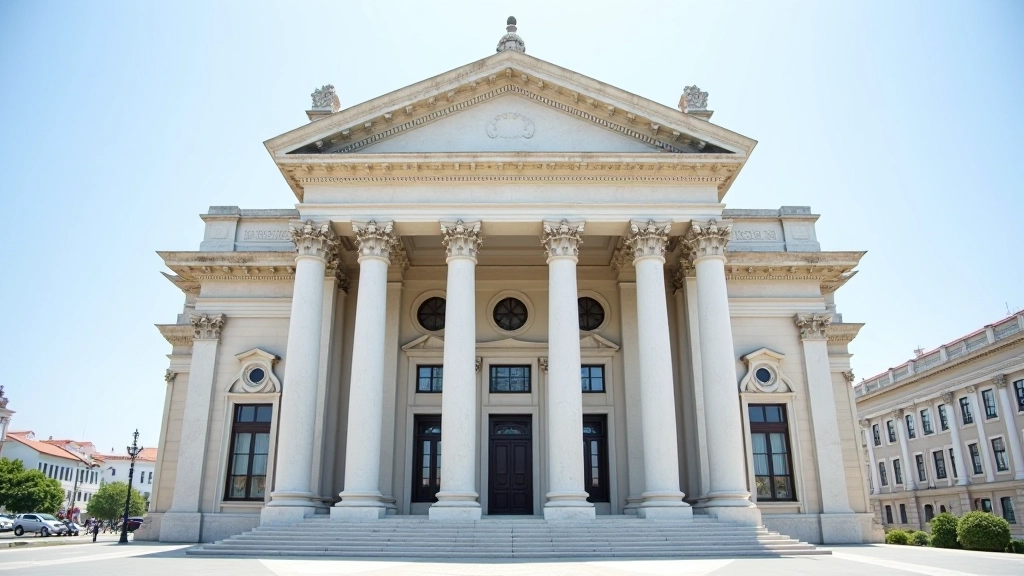
When Portugal joined the European Union in 1986, it wasn't just a political decision — it fundamentally reshaped how the country does business. Today, nearly four decades later, EU membership remains the single biggest influence on Portugal's economic policies, trade patterns, and growth trajectory.
The integration didn't happen overnight. Portugal had to modernize its infrastructure, align regulations, and build new trade relationships. But it's worked. We're going to walk through how this EU membership actually functions in practice, what it means for the economy, and why understanding these mechanisms matters for anyone tracking Portuguese economic trends.
Key EU Economic Pillars
- Single market access across 27 member states
- Common currency (Euro) since 2002
- EU funds for infrastructure and development projects
- Harmonized trade and regulatory standards
Trade Integration and Market Access
Here's the straightforward part: being in the EU means Portugal can export goods to other member states without tariffs or quotas. That's massive for a country with limited domestic market size. Instead of 10 million Portuguese consumers, Portuguese businesses can reach roughly 450 million EU citizens under the same regulatory framework.
The numbers reflect this. Around 70% of Portugal's exports go to other EU countries. Germany alone is Portugal's largest trading partner — they're not just buying Portuguese wine anymore. Portuguese manufacturing, especially in textiles, machinery, and vehicle parts, has integrated deeply into European supply chains.
But trade isn't one-directional. Portugal also imports heavily from the EU. This two-way relationship means Portuguese consumers get access to a wider range of goods, often at competitive prices. Competition improves local industries too. They can't just rest on laurels — they've got to compete against products from across Europe.

Structural Funds and Investment
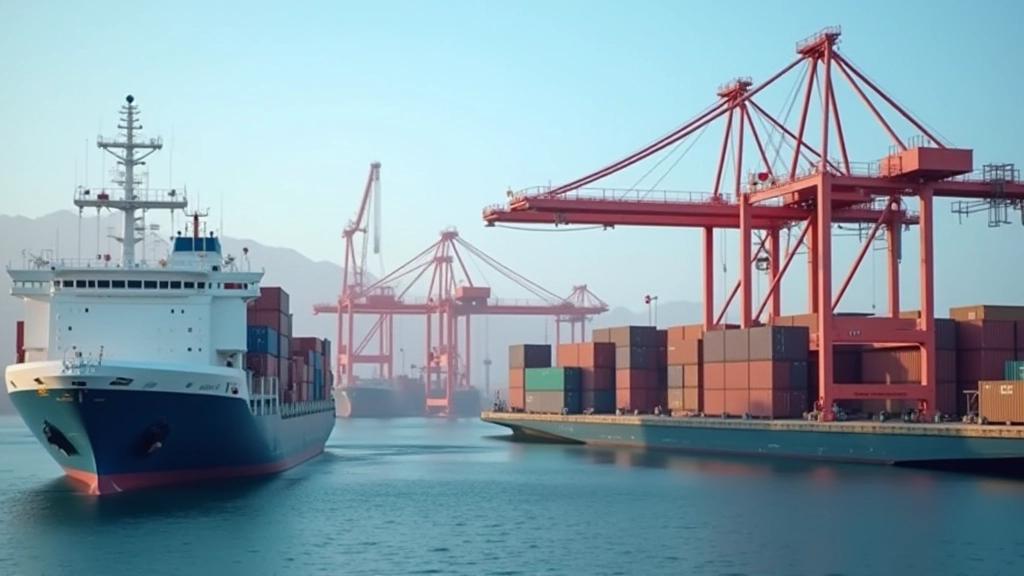
One of the biggest economic advantages for Portugal comes through EU structural and cohesion funds. These are essentially investments from wealthier EU regions into developing areas. Since the 1990s, Portugal's received tens of billions in these funds.
Where's this money going? Infrastructure is the obvious one — highways, railways, ports. But it's also schools, hospitals, and business incubators. Between 2014 and 2020, Portugal received roughly €32 billion from EU funds. That's not chump change for a country with a GDP around €250 billion.
The practical impact? Look at the highway system. Decades ago, driving from Lisbon to Porto meant navigating winding roads through smaller towns. Now there's a modern motorway. That infrastructure matters for businesses trying to move goods, for people commuting, for attracting foreign investment. Without EU funding, would Portugal have built all this on its own? Probably not at the same pace.
Monetary Policy and the Euro
Portugal gave up its currency, the Escudo, in 2002 when it adopted the Euro. That's a massive decision — you're basically saying another institution controls your money supply. The European Central Bank (ECB) sets interest rates for all 20 Euro countries, not just Portugal.
This has trade-offs. On one hand, having a stable currency you share with Germany and France builds confidence. International investors trust the Euro more than they would've trusted the Escudo. Import costs are more predictable. On the other hand, Portugal can't devalue its currency to make exports cheaper if it needs to. It's stuck with whatever interest rates the ECB decides.
The Euro fundamentally changed how Portuguese businesses and consumers interact with the broader economy. It wasn't painless, but it's provided stability that benefits long-term planning.Economic analysis from Portuguese banking sector
In practice, this constraint has pushed Portugal to focus on competitiveness and efficiency rather than currency manipulation. It's forced difficult structural reforms — labor market flexibility, business regulation streamlining, productivity improvements.
Regulatory Harmonization and Standards
Being in the EU means following EU rules. That sounds restrictive, but it's actually simplified a lot of business operations. Instead of Portuguese companies needing different certifications for Portuguese vs. German vs. Spanish markets, there's one set of EU standards.
Whether it's food safety, environmental protection, labor standards, or data privacy — the rules are largely harmonized. A Portuguese food producer doesn't need separate certification for each EU country. It's one certification that works everywhere. That reduces costs and bureaucracy.
The downside? Portugal doesn't get to set its own rules completely. Sometimes EU regulations don't perfectly match Portuguese circumstances. There's also the adjustment cost when new rules come in. But overall, this harmonization has probably reduced business costs more than it's increased them.

Labor Mobility and Migration
EU citizens have the right to live and work in any EU member state. For Portugal, this cuts both ways. Portuguese people can move to Germany or France for better job opportunities — and many have done exactly that, especially during the 2008-2015 economic crisis. At the same time, workers from other EU countries can come work in Portugal.
This mobility affects the labor market. When unemployment was high in Portugal, people had the option to move. It relieved pressure on the domestic job market. But it also means Portugal lost some skilled workers to higher-wage countries. Currently, you'll find Portuguese nationals working across Europe in tech, healthcare, hospitality, and skilled trades.
The influx of EU workers has been smaller, partly because Portuguese wages are lower than Western Europe, but you do see Eastern European workers in agriculture and construction. The net effect on Portugal's economy is probably positive — it allows better matching of skills to jobs across the entire EU, and remittances from Portuguese workers abroad bring money back to families.

The Bottom Line
Portugal's EU integration isn't some abstract policy debate — it's baked into everyday economic reality. You can see it in the highways, the export industries, the currency in your wallet, the standards on products, and the opportunities to work elsewhere.
Has it all been perfect? No. There've been tough adjustments, especially around the financial crisis when EU austerity requirements clashed with domestic needs. But the broad story is one of economic convergence. Portugal's GDP per capita has roughly doubled since joining the EU. That's not coincidence.
Understanding this integration matters because it explains why certain economic policies happen, why trade patterns look the way they do, and why Banco de Portugal coordinates so closely with European institutions. The EU framework isn't just about politics — it's the infrastructure within which modern Portuguese economic policy operates.
Informational Disclaimer
This article provides educational information about Portugal's EU integration and economic cooperation. The content is based on publicly available data and economic analysis. Circumstances change, and this information reflects the situation as of April 2026. For specific economic decisions or policy matters, consult official sources like Banco de Portugal, Statistics Portugal (INE), or relevant government ministries. This is not investment advice or policy recommendation — it's informational material for understanding Portuguese economic context.